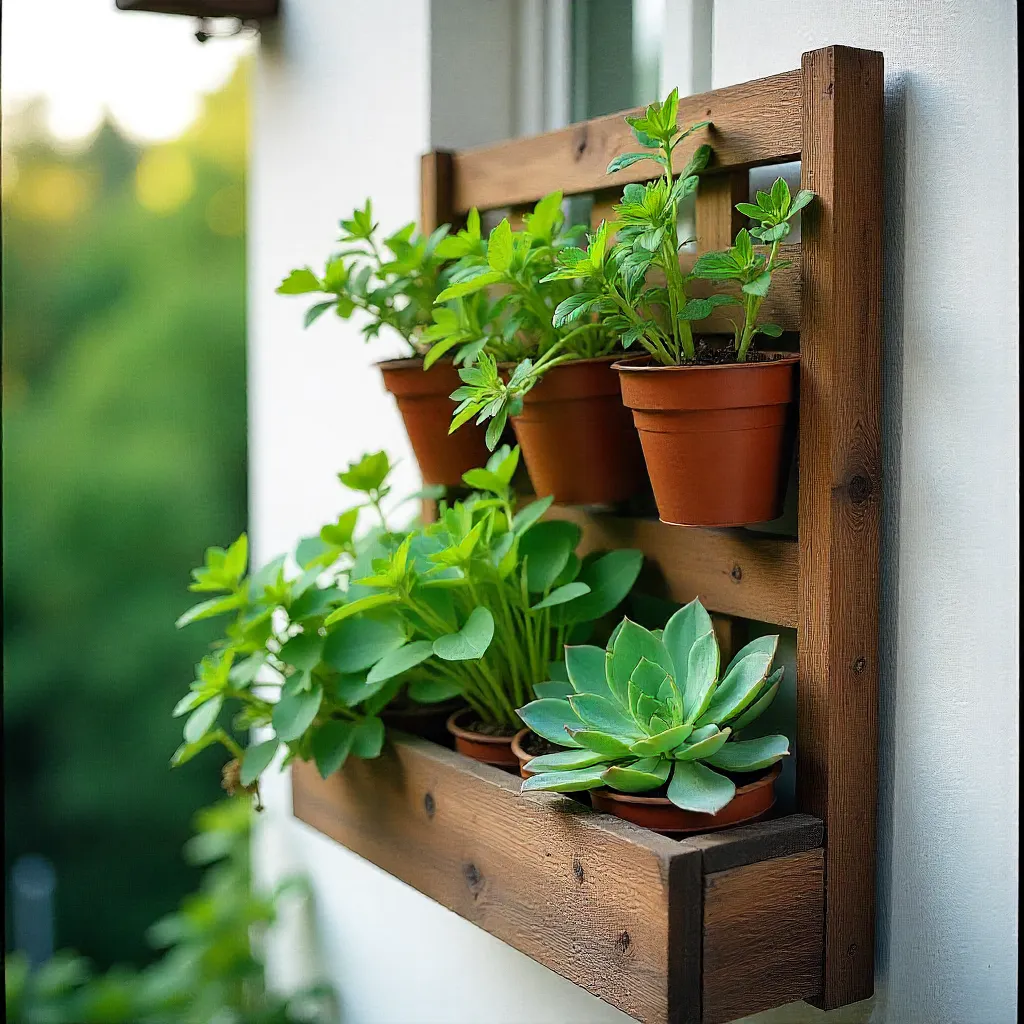
Understanding Orientation
North-Facing Balconies
Receive indirect light throughout the day. Ideal for shade-tolerant plants like certain herbs and leafy greens. Wind protection becomes crucial in these locations.
South-Facing Balconies
Maximum sunlight exposure during summer months. Suitable for sun-loving plants but may require additional watering and heat protection during peak periods.
East and West Orientations
Offer balanced light conditions with morning or afternoon sun. These orientations provide flexibility for diverse plant selections.
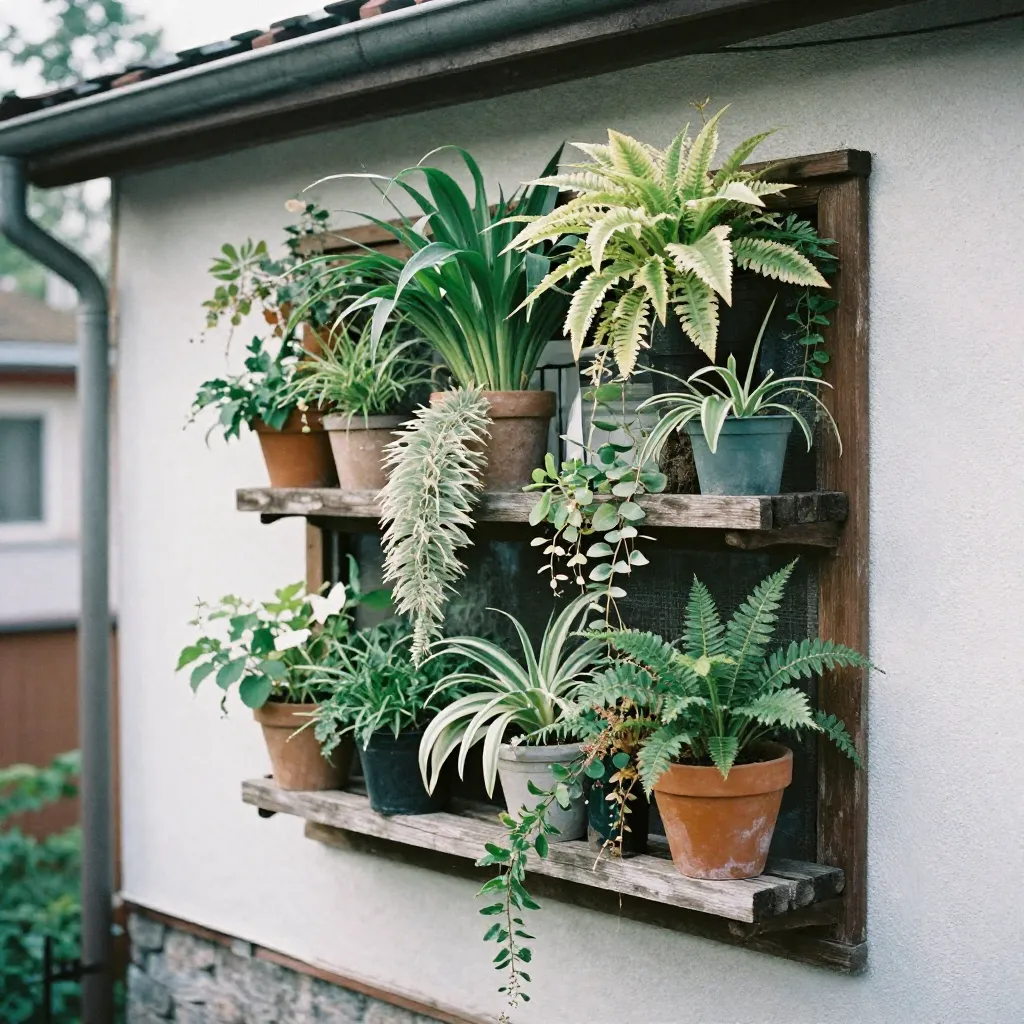
Plant Selection by Profile
High Wind Tolerance
Plants with compact growth habits and flexible stems adapt better to windy conditions. Consider varieties with smaller leaf surfaces that reduce wind resistance.
Low Light Adaptation
Many herbs and greens thrive in partial shade. These varieties often have larger leaves that maximize light capture in limited conditions.
Full Sun Varieties
Mediterranean herbs and certain vegetables require substantial sunlight. Position these in areas with maximum exposure during peak growing months.
Creating Your Profile
Begin by documenting sunlight patterns over several days. Note the time when direct sunlight reaches different areas of your balcony.
Observe wind patterns during different weather conditions. Pay attention to which directions produce the strongest gusts and how they affect different balcony areas.
Temperature variations occur throughout the day and across seasons. Understanding these patterns helps you plan for seasonal transitions and plant protection needs.